
“I think everyone here knows what you have to do to get here. And so for her to come here, not only trip but seems like actually quite seriously hurt herself… that sucks. It sucks so bad. “ – Nikki Hamblin, talking about Abbey D’Agostino
“Olympian” is a word that still reverberates with ancient echoes of Greek mythology. Said with the proper sense of awe, it still holds the suggestion that today’s Olympic athletes, especially those competing in the more traditional disciplines, might really be the gods and heroes of our time. To be an Olympian is to be, always and forever, a member of an elite class that dwells among the clouds, while the rest of us admire from the plains.
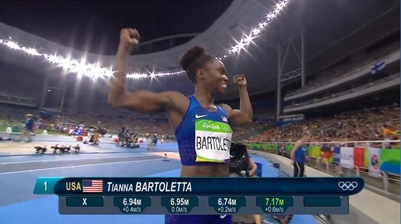
Or so it seems when we behold the titanic races of repeat champions Usain Bolt or David Rudisha, or take in the astonishing records of Almaz Ayana and Wayde van Niekerk, or appreciate the greatness on final display from legends like Allyson Felix and Tirunesh Dibaba. The point is that unless you have completely given up on the sport, there is an awe and wonder at watching these immortals compete.
And yet, the Olympics also creates moments in which the word “Olympian” dissolves into something entirely different. In those moments, it is only the stage that is immense; at least some of the athletes, it turns out, are human like us. Continue reading →






 the runner eclectic